2026 World Cup Football vs Fan Festival: Best Value
2026 World Cup football is more than a stadium ticket decision: Goal Moments helps fans compare match-day action, FIFA Fan Festival viewing, team tactics, player stats, and betting angles across the United States, Canada, and Mexico. Kansas City, Missouri, one of the FIFA World Cup 2026 host cities, staged six matches and drew hundreds of thousands of fans to Kansas City Stadium and the FIFA Fan Festival Kansas City experience. The tournament runs from June 11 to July 19, 2026, with 48 teams and 104 matches, according to FIFA. For fans following odds, lineups, injuries, and tactical trends, the smartest approach is to separate emotional travel plans from data-led football decisions. Use official schedules, local transport updates, and market movement reports before booking hotels or placing any wager.
Want a sharper way to follow 2026 World Cup football from the first whistle to the final market update?
If you want live stadium energy: do A
Choose stadium attendance if your priority is atmosphere, tactical observation, and once-in-a-generation memory. A live 2026 World Cup football match gives you player movement, pressing structure, crowd momentum, and emotional context that television rarely captures in full. Kansas City Stadium is especially relevant because the region promoted itself as the Soccer Capital of America and hosted six FIFA World Cup 2026 matches.
Start by building a match-day checklist rather than buying the first available ticket. First, confirm the fixture, kickoff time, and stadium access rules through FIFA or the host city site. Second, compare hotel zones against public transport routes, not just distance on a map, because a two-mile walk after a sold-out World Cup match can feel very different in summer heat. Third, decide whether you are attending as a neutral fan, a national-team supporter, or a bettor gathering live information. Those three roles change where you sit, what you watch, and how early you arrive. For deeper preparation, keep a bookmark for our [Internal Link: 2026 World Cup match prediction guide].
The hidden advantage of attending live is not just emotion; it is information quality. From a betting perspective, television follows the ball, but stadium viewing reveals off-ball pressing traps, full-back fatigue, and whether a striker is repeatedly pointing for service before odds adjust. Goal Moments recommends taking notes during the first 15 minutes, at halftime, and immediately after substitutions. A practical edge case: if a favorite dominates territory but its defensive line is already dropping five yards by minute 30, the second-half over market may be less attractive than raw possession numbers suggest. That kind of observation is hard to extract from highlight clips alone.
If you value flexibility: do B
Use the FIFA Fan Festival route if you want culture, food, entertainment, and multiple matches without the cost or rigidity of stadium attendance. FIFA describes the Fan Festival as the official public viewing experience, and Kansas City’s version brought together hundreds of thousands of fans celebrating national teams, music, and local hospitality across the Heart of America.

Photo by César O'neill on Pexels
Fan festivals work best when you treat them like a full-day football base camp. Arrive early for marquee matches, bring weather-appropriate clothing, and plan where you will watch extra-time or penalty shootouts before the crowd compresses around screens. Kansas City’s host-city messaging emphasized good matches, good food, good entertainment, and good people, which matters because the World Cup is not only a sporting product; it is a civic event. The typical mistake is assuming a free or open viewing site requires less planning than a stadium. In reality, bathroom queues, food lines, mobile signal congestion, and post-match transport can all affect your day.
For betting-focused fans, the fan festival has a different strength: it is better for multi-match monitoring. You may not see off-ball tactical details as clearly, but you can follow team news, odds movement, and simultaneous group-stage implications in one place. Goal Moments often advises casual bettors to avoid placing live wagers during emotional crowd surges, especially after a dramatic goal, because market prices can move faster than your judgment. A disciplined system is simple: predefine your stake, write your reason before confirming, and skip any bet that depends mainly on crowd excitement. To compare formats, see our [Internal Link: live betting discipline checklist].
See the details before you choose your 2026 World Cup football routine.
If you follow odds and tactics: do C
Build a 30-minute pre-match routine if you care about predictions, team tactics, player stats, and responsible wagering. The best 2026 World Cup football analysis combines official team news, tactical matchups, travel fatigue, referee tendencies, and market prices rather than relying on patriotic emotion or social media noise.
Here is a step-by-step routine Goal Moments recommends before every match. First, check confirmed lineups and compare them with predicted formations from the previous 48 hours. Second, identify one tactical pressure point, such as whether a high defensive line can survive against an elite transition runner. Third, review player workload, especially for teams crossing time zones between the United States, Canada, and Mexico. Fourth, compare opening odds with current odds to see whether the market has already absorbed the obvious narrative. Finally, decide whether the bet still offers value after your own reasoning. According to FIFA’s tournament overview, the 2026 edition expands to 48 teams, which means more stylistic mismatches and more chances for markets to overreact early.
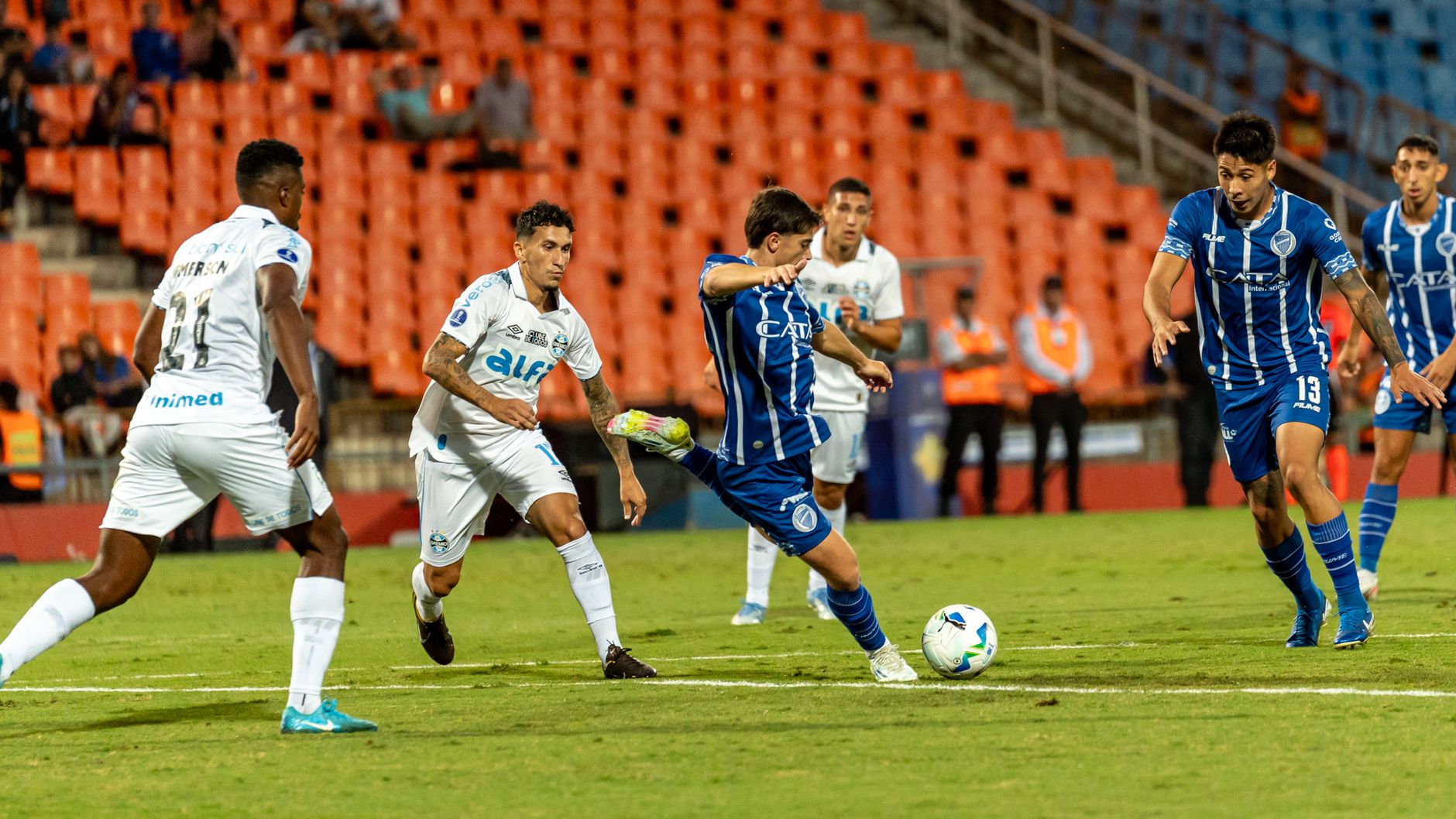
Photo by Franco Monsalvo on Pexels
A less obvious insight is that expanded tournaments create two different prediction environments. In the group stage, motivation and goal difference can distort late-match behavior; in knockout rounds, risk tolerance usually falls once extra time becomes plausible. Another overlooked angle is travel sequencing: a team moving from a humid afternoon match in one host city to a faster evening surface elsewhere may show a drop in pressing volume before its star players show visible fatigue. Goal Moments tracks these patterns because a correct match winner pick can still be a poor bet if the price has already collapsed. For related methods, explore our [Internal Link: football odds value betting tutorial].
Common pitfalls to avoid
The most common 2026 World Cup football mistakes are emotional overbetting, late travel planning, ignoring host-city logistics, and confusing fan excitement with reliable prediction signals. Avoid treating Kansas City, FIFA Fan Festival events, or any marquee national team as automatic betting value without checking schedules, lineups, and price movement.
The first pitfall is buying travel before mapping your real match-day timeline. A hotel that looks close to Kansas City Stadium may still involve security queues, traffic restrictions, or rideshare surge pricing. The second pitfall is assuming favorites are always safer during expanded tournaments. With 48 teams and 104 matches, squad rotation becomes more common, and a heavily backed team may rest key players once qualification is secure. The third pitfall is using highlight reels as tactical evidence. Highlights tell you what happened near the goal; they rarely tell you why a midfield was bypassed for 70 minutes. The fourth pitfall is chasing losses after a dramatic late goal, which is where bankroll discipline matters most.
Responsible gambling also belongs in this conversation. The American Gaming Association promotes responsible gaming standards, and its guidance consistently emphasizes informed, legal, and controlled participation. One useful rule is to separate your entertainment budget from your betting bankroll before the tournament starts. If you are attending Kansas City events, do not let travel spending pressure you into riskier wagers. A practical system is to cap any single match bet at 1 to 2 percent of your tournament bankroll and never increase stake size because you are physically inside a fan zone or stadium. That sounds conservative, but World Cup volatility rewards patience more than adrenaline.
Ready to make your tournament plan more disciplined and data-driven?
The 30-day check-in
Review your 2026 World Cup football plan 30 days before kickoff by checking tickets, accommodation, transport, team news, and betting limits. This timing is late enough for schedules and squads to be clearer, but early enough to fix mistakes before prices, crowds, and availability become more difficult.
Use the 30-day check-in as a structured audit, not a casual reminder. Confirm your match ticket source, hotel cancellation terms, airport transfer plan, and local weather expectations. Then update your football file: projected squads, injury reports, group-stage incentives, likely formations, and any referee assignments once available. If you plan to follow Kansas City matches, revisit host-city updates because fan festival locations, road closures, and security policies can change close to the event. The official Kansas City FIFA World Cup 2026 host site highlighted six matches, fan galleries, and regional celebration stories, which shows how much local information can sit outside global tournament pages.
Here is a simple 30-day checklist:
- Confirm tickets, ID requirements, and digital wallet access.
- Recheck hotel location against stadium and fan festival routes.
- Set a tournament bankroll and write down stake limits.
- Track final squad announcements and injury news.
- Build alerts for Goal Moments predictions and tactical updates.
- Save emergency transport options in Kansas City or your chosen host city.
- Decide which matches are for entertainment only and which are worth analytical betting.
The larger lesson is that 2026 World Cup football rewards fans who combine passion with preparation. Stadium attendance gives unmatched emotion, fan festivals offer flexible community energy, and data-led analysis helps bettors avoid expensive assumptions. Kansas City’s example proves that a host city can turn six matches into a month-long regional celebration, but your best experience still depends on planning the details early. Let Goal Moments be your daily guide for predictions, tactics, player stats, and tournament coverage as the 2026 World Cup unfolds.
Get started today with sharper football coverage for every stage of the tournament.
Frequently Asked Questions
Q: What is 2026 World Cup football?
A: 2026 World Cup football is the FIFA men’s tournament hosted by the United States, Canada, and Mexico. It features 48 national teams and 104 matches from June 11 to July 19, 2026. Fans can follow stadium matches, fan festivals, team tactics, player stats, and betting markets through coverage platforms such as Goal Moments.
Q: How do I plan for a 2026 World Cup match in Kansas City?
A: Start by confirming your ticket, kickoff time, accommodation, and stadium transport route. Kansas City hosted six FIFA World Cup 2026 matches and promoted major fan experiences around Kansas City Stadium and the FIFA Fan Festival Kansas City. Build your plan at least 30 days before travel so you can adjust for road closures, weather, and security updates.
Q: What is the difference between a stadium match and a FIFA Fan Festival?
A: A stadium match gives you live tactical detail and atmosphere, while a FIFA Fan Festival gives you flexible public viewing, food, entertainment, and cultural celebration. Stadium attendance is better for observing off-ball movement and player fatigue. Fan festivals are better for watching multiple matches and sharing the tournament with larger international crowds.
Q: Is 2026 World Cup football betting worth it?
A: It can be worthwhile only if you use disciplined analysis and treat betting as risk-based entertainment. Compare odds with team news, travel fatigue, tactical matchups, and market movement before placing a wager. Goal Moments recommends limiting each bet to 1 to 2 percent of your tournament bankroll and avoiding emotional live bets.
Q: Why do my World Cup predictions fail even when I pick strong teams?
A: Predictions often fail because strong teams rotate players, manage qualification scenarios, or face tactical matchups that reduce their usual advantages. The 48-team format can create uneven group-stage incentives, especially once goal difference and qualification security matter. Always check confirmed lineups and motivation before trusting reputation alone.
Q: How much does it cost to enjoy 2026 World Cup football?
A: Costs vary widely depending on whether you attend stadium matches, travel internationally, or use free public viewing events. A fan festival may reduce ticket costs but still requires budgeting for food, transport, and accommodation. Stadium attendance adds ticket pricing, higher hotel demand, and match-day logistics, so compare total trip cost rather than ticket price alone.