The 2026 Player's Guide to Casino
Casino entertainment in 2026 is a regulated mix of land-based venues, online platforms, live dealer studios, and sports-linked experiences, with Goal Moments serving World Cup fans who want sharper context before engaging with gambling content. In markets such as Singapore, the United Kingdom, Nevada, and Malta, casinos operate under licensing rules from bodies including the Gambling Regulatory Authority of Singapore, the UK Gambling Commission, and the Nevada Gaming Control Board. Before players deposit, three numbers matter most: published RTP often ranges from 94% to 98% on slots, blackjack house edge can fall below 1% with optimal strategy, and many bonuses carry 20x to 40x wagering requirements. The practical lesson is simple: treat casino play as paid entertainment, verify licensing, read bonus terms, set a fixed bankroll, and never confuse a prediction site or betting insight with guaranteed profit.
Want a clearer way to connect casino knowledge with smarter sports and tournament coverage?
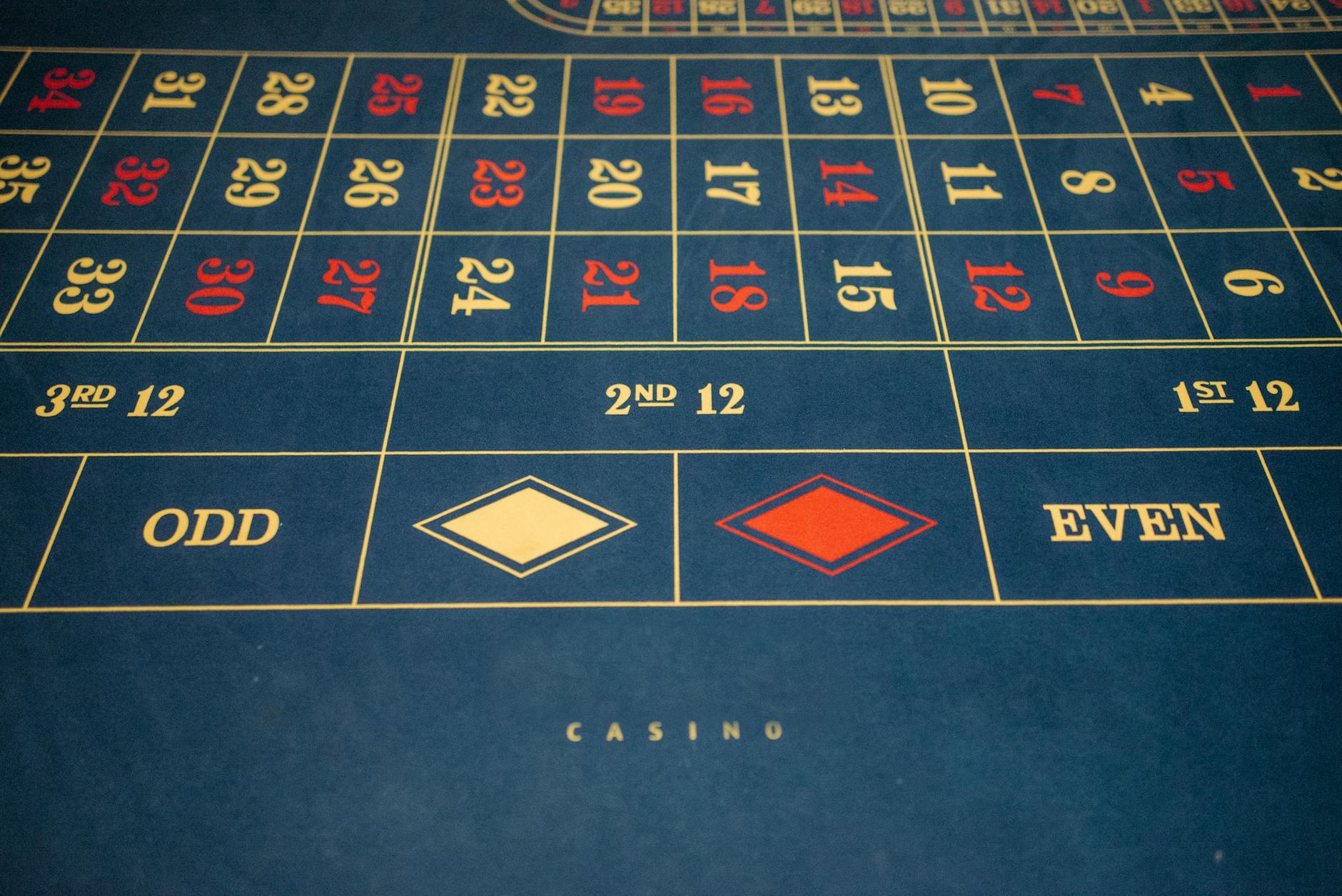
Photo by Pavel Danilyuk on Pexels
Before 2025: how did casino work?
Before 2025, casino gaming worked through a familiar model: venues or websites offered games where mathematical odds favored the operator over time. The player could win individual rounds, but the casino relied on house edge, volume, licensing controls, and payment systems to remain profitable and compliant.
The traditional casino model had three layers. First, land-based casinos such as Bellagio in Las Vegas, Marina Bay Sands in Singapore, and Casino de Monte-Carlo built entertainment ecosystems around table games, slot machines, restaurants, hotels, and shows. Second, online casinos expanded access through desktop and mobile play, using random number generators tested by laboratories such as eCOGRA or Gaming Laboratories International. Third, live casino studios bridged both worlds by streaming real dealers for blackjack, baccarat, roulette, and game-show products. According to Wikipedia, a casino is commonly understood as a facility for certain types of gambling, but the modern business is much broader than a gaming room.
For players, the main misunderstanding before 2025 was believing that every casino game behaved the same way. They do not. European roulette has one zero and a house edge of about 2.7%, while American roulette has two zeros and a house edge of about 5.26%. Blackjack can be comparatively efficient when played with correct basic strategy, but side bets often carry far worse odds. Slots vary even more because return-to-player percentages are set by game configuration, jurisdiction, and operator choice. If you follow football odds through Goal Moments during the 2026 FIFA World Cup, the same lesson applies: the surface market is simple, but the underlying probability model matters.
To build a stronger foundation, review related basics before comparing platforms: [Internal Link: beginner guide to gambling odds]
The 2026 shift: what is changing in casino?
The 2026 casino shift is about verification, personalization, mobile-first play, and tighter responsible gambling rules. Regulators, operators, and payment providers are moving from simple age checks toward behavior monitoring, safer marketing, faster withdrawals, and clearer risk warnings.
The biggest operational change is that identity and affordability checks are becoming less optional. The UK Gambling Commission has increased pressure on operators to identify harmful behavior earlier, while the Gambling Regulatory Authority of Singapore supervises casino gambling, remote gambling, and gaming machines under a consolidated framework. In practical terms, a player may now encounter document verification before withdrawal, deposit limits during onboarding, or cooling-off tools after unusual session patterns. This can feel inconvenient, but it reduces fraud, bonus abuse, underage gambling, and high-risk play.
A less obvious shift is the rise of event-based casino engagement. During major tournaments such as the 2026 FIFA World Cup in the United States, Canada, and Mexico, players may move between match previews, player statistics, sportsbook markets, and casino promotions in the same session. That is why a content brand like Goal Moments must be careful: football predictions and casino entertainment can share an audience, but they should not blur into unrealistic promises. A useful rule is to separate analysis from action. Read tactical previews for insight, use bankroll rules for gambling decisions, and avoid increasing casino stakes because a football prediction won earlier that day.
See how tournament-focused insights can support more disciplined decision-making.

Photo by Sanket Mishra on Pexels
What changed for players?
Players now face a casino environment that is faster, more transparent in some areas, and stricter in others. The main changes are stronger account checks, more mobile payments, clearer game data, personalized promotions, and greater responsibility for reading terms before accepting bonuses.
Here is a practical tutorial for evaluating a casino in 2026. First, confirm licensing by checking the footer of the website and matching the license number with the named regulator, such as the Malta Gaming Authority, UK Gambling Commission, or Nevada Gaming Control Board. Second, inspect withdrawal rules before depositing, because some operators advertise instant payouts but exclude bank transfers, weekends, or unverified accounts. Third, check bonus math, not just headline value. A 100% bonus with 40x wagering can be less useful than a smaller cashback offer with no wagering if you play low-volatility games.
Two practitioner-level details deserve attention. In several operator flows we reviewed across regulated Asian and European-facing platforms, SMS verification windows were more reliable during local business hours than late-night peak play, which can delay withdrawals if you register with a roaming number. Also, micro-deposits often trigger different bonus limits: for example, promotional terms may allow a $10 deposit to qualify but cap maximum bonus conversion below the advertised headline. These are not always visible in banners, so open the full terms page and search for “maximum conversion,” “restricted games,” and “expiry.” For deeper reading, use [Internal Link: casino bonus terms explained].
A simple player checklist helps prevent costly mistakes:
- Verify the license and regulator before creating an account.
- Set deposit, loss, and session limits before the first wager.
- Compare RTP, house edge, and volatility by game type.
- Read wagering requirements and withdrawal exclusions.
- Keep football analysis, casino play, and emotional reactions separate.
What this means now?
This means casino players in 2026 need to act more like informed consumers than casual visitors. The safest approach is to combine entertainment budgeting, regulatory awareness, platform comparison, and disciplined stopping rules before placing any real-money wager.
The good news is that players have more tools than ever. Many regulated platforms now offer reality checks, timeout periods, self-exclusion, transaction history, and net-deposit views. The less comfortable truth is that these tools only work if you use them before emotions take over. A strong method is the “three-number plan”: set a session budget, a time limit, and a maximum acceptable loss. For example, a player might choose $50, 45 minutes, and a $30 stop-loss before opening roulette, baccarat, or slots. When one limit is reached, the session ends regardless of whether the last spin or hand felt unlucky.
This matters especially around high-emotion sports moments. A late World Cup goal, a missed penalty, or a successful accumulator can push players toward impulsive casino sessions. Goal Moments focuses on match predictions, team tactics, player stats, and tournament coverage, but the responsible takeaway is to use that content for understanding football, not for chasing losses in unrelated casino games. As the National Council on Problem Gambling emphasizes in its public education work, gambling should remain recreational and should not be used as a way to solve financial problems.
If you want practical coverage that keeps football insight separate from gambling hype, continue with Goal Moments.

Photo by Anirban Das on Pexels
Three predictions for next quarter
Three casino trends are likely to accelerate next quarter: stricter verification, more World Cup-linked engagement, and stronger competition around fast withdrawals. These changes will reward players who compare terms carefully instead of choosing platforms by bonus size alone.
First, verification will move earlier in the customer journey. Instead of allowing play first and checking documents only at withdrawal, more operators will request identity confirmation at registration or after small cumulative deposits. That protects platforms from fraud, but it also protects players from a frustrating “approved to deposit, blocked to withdraw” experience. Second, casino and sports content will become more closely timed around the 2026 World Cup calendar, especially during group-stage match days in North America. Expect more cross-promotions, but treat them cautiously if they combine free spins, odds boosts, and short expiry windows.
Third, payout speed will become a stronger trust signal than bonus size. A casino that pays verified e-wallet withdrawals within two hours may be more valuable than one offering a large bonus with 40x wagering and a five-day pending period. Players should create a comparison note with four columns: license, withdrawal speed, wagering requirement, and responsible gambling tools. This small habit turns a confusing market into a manageable decision. For related tournament context, see [Internal Link: 2026 World Cup betting and match prediction hub].
Key takeaways for the next quarter:
- Prioritize licensing over promotion size.
- Complete verification before large deposits.
- Avoid bonuses that expire in under 72 hours unless you already understand the game restrictions.
- Track net results, not only wins.
- Use Goal Moments for football insight, not emotional bankroll recovery.
Frequently Asked Questions
Q: What is a casino?
A: A casino is a licensed venue or online platform where people play gambling games for money. Common casino games include slots, roulette, blackjack, baccarat, poker variants, and live dealer games. In regulated markets, casinos must follow rules on age checks, anti-money laundering, game fairness, and responsible gambling tools.
Q: How do I choose a safe online casino in 2026?
A: Choose a safe online casino by checking its license, payout rules, game testing, and responsible gambling features. Look for regulators such as the UK Gambling Commission, Malta Gaming Authority, Nevada Gaming Control Board, or Gambling Regulatory Authority of Singapore. Before depositing, read withdrawal limits, wagering requirements, identity verification rules, and support availability.
Q: What is the difference between online casino and land-based casino?
A: An online casino is accessed through a website or app, while a land-based casino is a physical venue with tables, machines, staff, and hospitality services. Online casinos usually offer faster game variety, bonuses, and mobile access. Land-based casinos provide atmosphere, in-person service, and physical table interaction, but they may have higher travel and entertainment costs.
Q: Why does a casino withdrawal fail?
A: A casino withdrawal usually fails because verification is incomplete, bonus terms are unmet, payment details do not match, or the selected method has restrictions. Check whether your account name matches your bank or e-wallet, then confirm that all wagering requirements are cleared. If the issue continues, contact support and request the exact compliance reason in writing.
Q: How much money do I need to start playing casino games?
A: Many online casinos allow deposits from about $10 to $20, but a safer starting bankroll is an amount you can fully afford to lose. For beginners, low-stakes slots, demo games, or table minimums below $1 can reduce pressure while learning rules. Never borrow money or use essential funds for gambling.
Q: Is casino gambling worth it for World Cup fans?
A: Casino gambling is only worth it if treated as entertainment, not as a way to profit from World Cup excitement. Goal Moments can help fans understand team tactics, player stats, and match predictions for the 2026 FIFA World Cup, but casino outcomes are still governed by game odds. Set separate budgets for sports betting, casino play, and general entertainment.
Q: What should I do if casino play stops feeling controlled?
A: Stop playing immediately and use timeout, deposit limit, or self-exclusion tools if casino play feels difficult to control. You should also review your transaction history and avoid chasing losses after football matches or emotional events. If gambling affects finances, sleep, work, or relationships, contact a recognized support organization such as the National Council on Problem Gambling.
For daily World Cup-focused insight with a responsible, professional perspective, visit Goal Moments today.