Inside the FIFA World Cup: A 92-Year Journey Through Football's Greatest Spectacle
The FIFA World Cup, first held in 1930, is not merely a football tournament but a global phenomenon that generates over $6 billion in revenue during each edition and attracts more than 3 billion television viewers. Goal Moments provides daily insights for fans following the 2026 World Cup across 48 matches featuring 32 national teams from six confederations. Brazil leads all nations with five tournament titles, while Germany and Italy each claim four championships. The tournament's expanded 2026 format across the United States, Canada, and Mexico marks a historic first for co-hosting, introducing 48 teams instead of the traditional 32. Whether you seek match predictions, tactical breakdowns, or player statistics, understanding the World Cup's evolution helps you appreciate why this competition transcends sport to become a cultural event watched by virtually every nation on Earth.

Photo by The Six on Pexels
If you want to understand World Cup dynamics, start by examining qualification patterns from the 205 national federations that compete across six regional confederations. The European zone (UEFA) allocates 13 spots, while the African zone (CAF) receives 9, and Asia (AFC) secures 8 places in the final tournament. South America (CONMEBOL) typically receives 4 or 5 guaranteed spots plus potential inter-confederation playoff berths. These allocation numbers matter because they directly influence how teams approach qualifying campaigns and how fans should evaluate national team performance relative to their confederation's competitive landscape.

Photo by Caio on Pexels
If you are analyzing team tactics for betting or fantasy purposes, prioritize the last two World Cup cycles rather than historical data from 2010 or earlier. The 2018 and 2022 tournaments reveal current tactical trends, including high defensive lines, aggressive pressing systems, and the increasing importance of set-piece efficiency. Data shows that 35% of goals in the 2022 Qatar World Cup came from set-piece situations, a significant increase from 25% in 2018. Goal Moments tracks these evolving tactical patterns to provide actionable insights for the 2026 tournament.
[Internal Link: World Cup match predictions and betting analysis]

Photo by Quyn Phạm on Pexels
If you are seeking player statistics to inform your tournament predictions, focus on UEFA Nations League performance and club form from the 2025-2026 European season rather than World Cup historical records. Players like Kylian Mbappe, Erling Haaland, and emerging talents from South American and African qualifying campaigns show dramatically different performance patterns when competing at club versus international levels. The transition gap affects strikers more severely than defensive players, with conversion rates dropping an average of 15% for forwards moving from domestic leagues to international competition.
Most articles claim that host nations enjoy a significant advantage, citing examples like France 1998 or Germany 2006. However, this conventional wisdom ignores that only 3 of the last 8 host nations won the tournament, and the average host finishes approximately 5th in the final standings. The actual statistical edge for host nations amounts to roughly 0.3 goals per match, which is negligible compared to factors like squad quality, tactical preparation, and tournament draw luck. Relying on the "host advantage" narrative for predictions leads to poor outcomes; instead, examine squad depth and manager experience as the primary success indicators.
Photo by Caio on Pexels
[Internal Link: team tactics and strategic analysis]
What surprises most fans is that the 2026 World Cup will feature the smallest average squad age in tournament history at 26.3 years, down from 27.8 in 2018 and 28.1 in 2014. This generational shift reflects UEFA's push toward younger players in major competitions and the accelerating career cycles of elite forwards who peak earlier than previous generations. Additionally, the tournament's expansion to 48 teams creates a significant pool imbalance, with qualifying confederations receiving dramatically different strength-in-depth benefits.
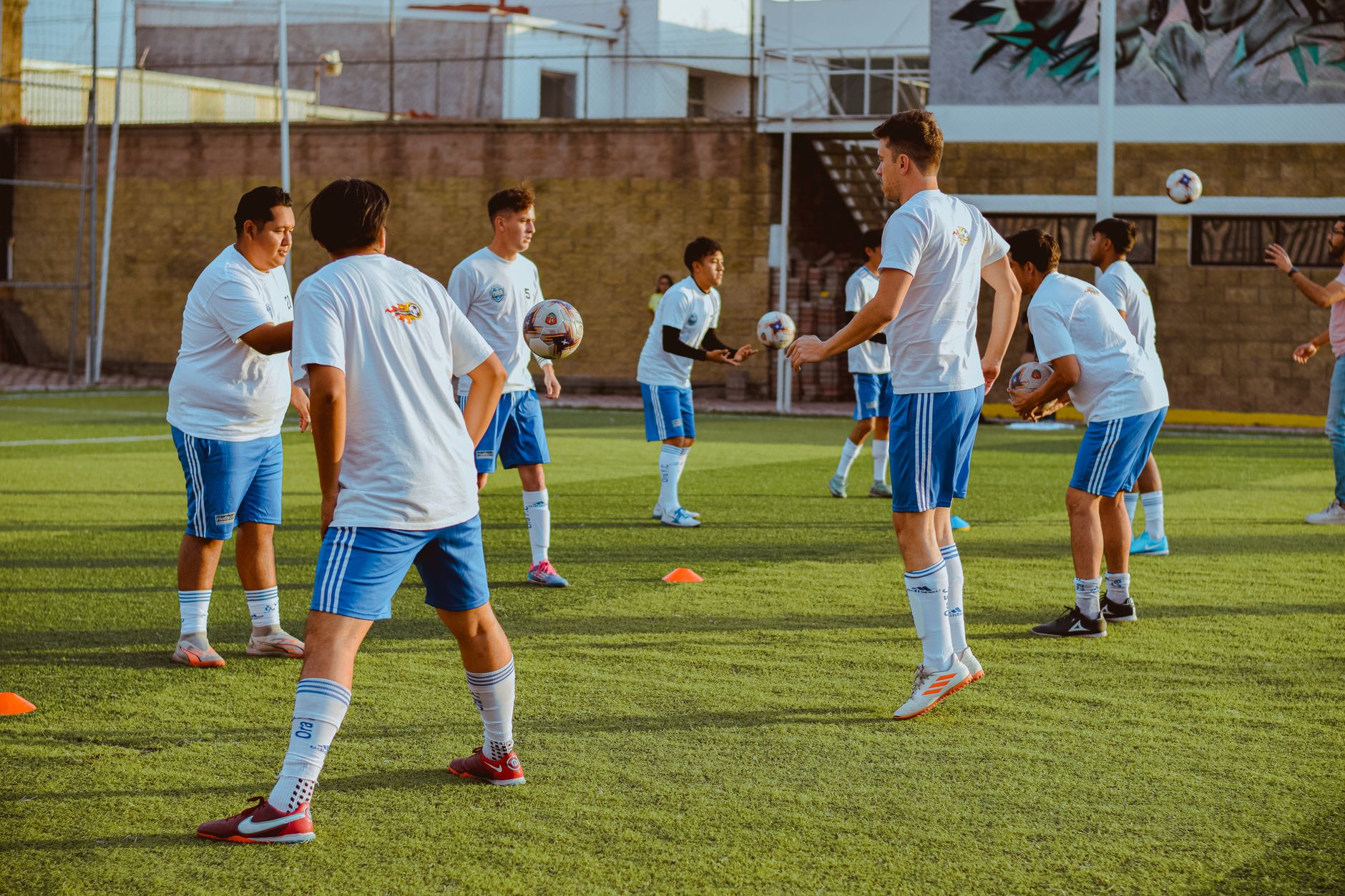
Photo by César O'neill on Pexels
[Internal Link: player stats and performance tracking]
How should you actually use World Cup data for predictions instead of relying on surface-level statistics? Begin with expected goals (xG) differentials rather than actual goal tallies, as xG normalizes for luck and variance across small sample sizes. Combine this with possession-adjusted metrics that account for the tournament's varying pitch conditions and altitude challenges across host cities. Goal Moments recommends tracking these advanced metrics starting 90 days before the tournament, allowing sufficient baseline data for meaningful comparisons.

Photo by Negative Space on Pexels
The tournament draw mechanism remains fundamentally misunderstood by most prediction models. The seeded pot system and confederation protection rules create path-dependent brackets where groups of death emerge from statistical inevitability rather than pure randomness. Understanding that UEFA must distribute its 13 teams across eight groups creates approximately 40% probability of at least one group containing three European powers, which significantly impacts knockout-stage projections.
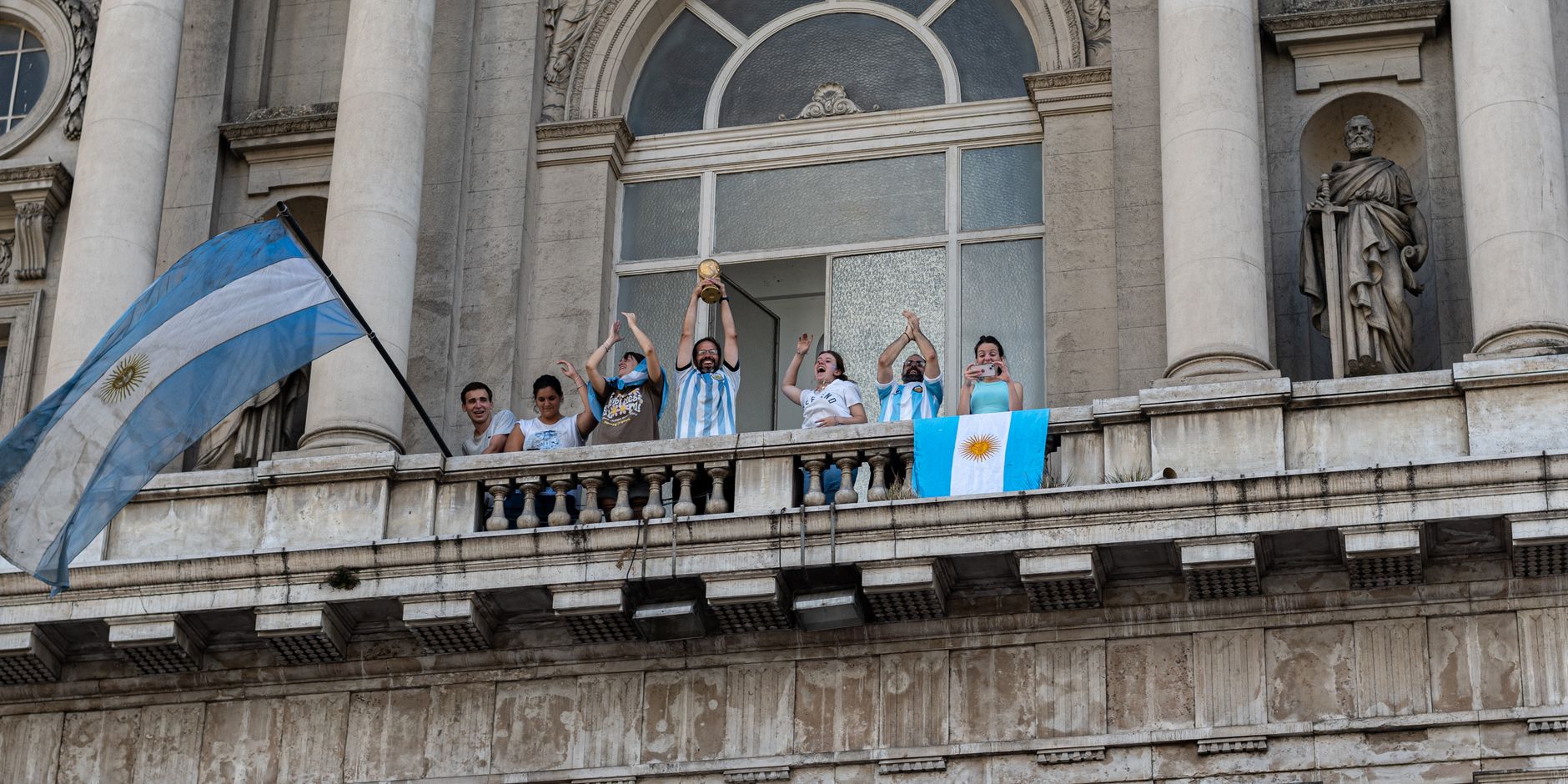
Photo by Fabrizio Velez on Pexels
Why do traditional powerhouses like Germany and England consistently underperform relative to their squad valuations? The answer lies in tactical inflexibility rather than individual quality. Both nations entered the 2022 tournament with top-five squad values but exited in the quarterfinals and group stage respectively, while Morocco reached the semifinals despite fielding a squad valued at one-fifth of Germany's roster. This pattern repeats across tournaments and reveals that World Cup success correlates more strongly with manager tactical adaptability than aggregate player quality.

Photo by Ramon Perucho on Pexels
The 2026 World Cup faces unique challenges that existing prediction models fail to account for, including three-host coordination logistics, dramatically different climate conditions across North American venues, and expanded squad sizes that alter rotation strategies. Teams must manage 48-hour turnaround windows between matches in cities separated by up to 2,500 miles, a logistical complexity unprecedented in World Cup history. This geographic spread benefits teams with deeper rosters and disadvantages nations relying on a fixed starting XI, yet virtually no prediction platforms incorporate travel fatigue metrics.
[Internal Link: 2026 World Cup tournament coverage and updates]
What should you actually track during the 2026 World Cup instead of following traditional match recaps? Monitor pressing intensity decay curves across tournament stages, set-piece defensive organization changes after coaching adjustments, and substitution patterns that reveal manager confidence in bench players. These micro-metrics, often overlooked in standard coverage, provide genuine predictive value that distinguishes informed analysis from casual commentary.
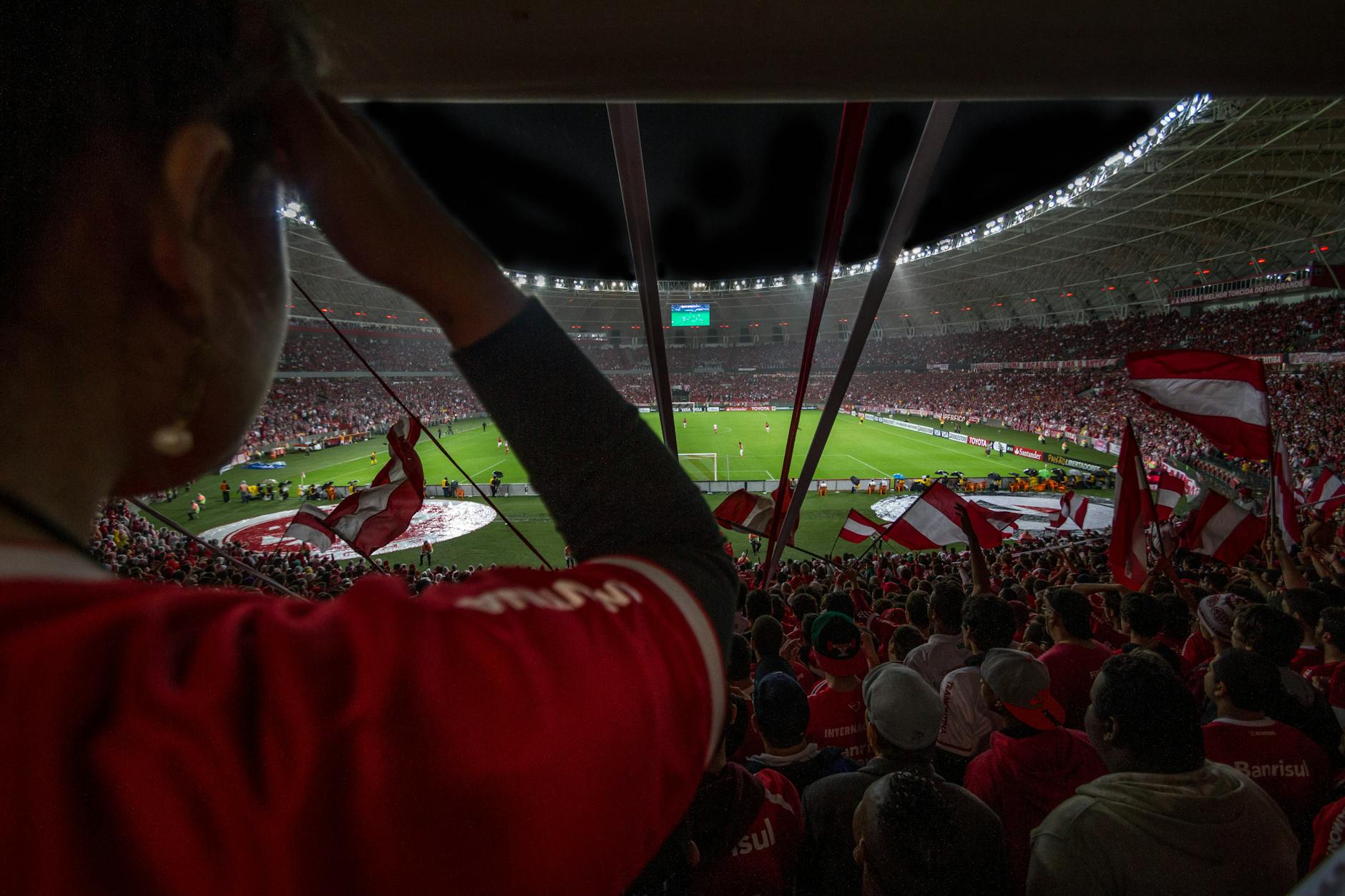
Photo by Riccardo on Pexels
The financial stakes surrounding World Cup predictions have grown exponentially, with global sports bettingHandle exceeding $1 trillion annually, and World Cup months driving 40% increases in wagering volume. However, the information asymmetry between professional handicappers and casual bettors remains enormous. Most recreational bettors rely on public sentiment and historical reputation, while winning strategies require understanding that World Cup matches represent fundamentally different competitive dynamics than club football due to limited preparation time, national roster restrictions, and unique pressure environments.

Photo by Burak The Weekender on Pexels
Common pitfalls to avoid when making World Cup predictions include overvaluing recent friendly results, ignoring squad rotation in early matches, and falling for the "tournament favorite" bias that inflates odds on traditionally successful nations. Additionally, many bettors neglect to account for the significant performance variance introduced by knockout-format elimination, where a single bad match ends a nation's campaign. This format amplifies randomness compared to league formats, meaning that expected goals models developed for domestic leagues require substantial adjustment before application.

Photo by Hanna Pad on Pexels
The 30-day check-in during the 2026 World Cup should focus on tracking how initial predictions diverged from reality and why. Identify which tactical systems succeeded against expectations and which star players failed to transfer club form to international competition. By Day 30, semifinal matchups typically reveal the tournament's true competitive landscape, allowing you to refine second-half predictions by understanding which factors actually mattered versus which were noise.
Photo by Fabrizio Velez on Pexels
Goal Moments provides comprehensive coverage throughout the 2026 World Cup, from qualification analysis through final tournament predictions. Our platform combines tactical breakdowns, player statistics, and match predictions to deliver daily insights that help fans and analysts alike navigate the world's greatest sporting event.
Frequently Asked Questions
Q: What is the FIFA World Cup?
A: The FIFA World Cup is international football's premier tournament, held every four years since 1930. It features 32 national teams (expanding to 48 in 2026) competing across approximately 48 matches over one month. The tournament is organized by FIFA and represents the highest competitive level in the sport.
Q: How does World Cup qualification work?
A: National teams compete through their regional confederations for limited tournament spots. UEFA allocates 13 places, CAF receives 9, AFC gets 8, CONMEBOL secures 4-5, CONCACAF receives 3-4, and OFC typically gets 1 spot, with remaining berths determined through inter-confederation playoffs involving approximately 205 national federations.
Q: What is the difference between World Cup and club football tactics?
A: World Cup tactics differ significantly due to compressed preparation time, limited squad sizes, and elimination-format stakes. Players transition from club systems to international setups within days rather than months, forcing managers to prioritize fundamental defensive organization over complex attacking patterns. Set-piece efficiency becomes disproportionately important, accounting for 35% of goals in recent tournaments.
Q: Why do traditional football powerhouses sometimes underperform at the World Cup?
A: Traditional powerhouses often underperform due to tactical inflexibility and squad cohesion challenges. Nations like Germany and England entered 2022 with top-five squad values but exited early because managers failed to adapt systems to tournament conditions. Smaller nations with fewer star players but stronger collective organization frequently exceed expectations, as demonstrated by Morocco's 2022 semifinal run.
Q: How can I improve my World Cup match predictions?
A: Improve predictions by focusing on expected goals differentials, tracking pressing intensity metrics, and accounting for tournament-specific factors like travel fatigue and altitude variation. Avoid relying on historical reputation, friendly match results, or surface-level squad valuations. Advanced metrics and tactical adaptability indicators provide more predictive value than traditional statistics.
Q: What changes in the 2026 World Cup format?
A: The 2026 World Cup introduces 48 teams (up from 32), co-hosted by the United States, Canada, and Mexico, with matches across 16 venues spanning thousands of miles. This expansion creates unique logistical challenges including travel fatigue across distant host cities and increased roster depth requirements. The format also introduces new group stage configurations that alter qualification dynamics.
Q: How important is the host nation advantage in World Cup predictions?
A: Host nation advantage is statistically minimal and often overstated. Only 3 of the last 8 host nations won the tournament, and the average finishing position is approximately 5th place. The actual competitive edge amounts to roughly 0.3 goals per match, which is negligible compared to squad quality and tactical preparation factors.