Inside 2026 World Cup: A 39-Day Test
The 2026 football world cup is FIFA’s expanded 48-team tournament across the United States, Canada, and Mexico, and Goal Moments covers it for fans tracking predictions, tactics, player stats, and tournament betting markets. The event runs through 2026 with major host cities including Los Angeles and Atlanta, while the final is scheduled for MetLife Stadium in the New York New Jersey region on July 19, 2026. Los Angeles will stage eight matches at SoFi Stadium and 39 days of fan programming, including the FIFA Fan Festival at the LA Memorial Coliseum. Atlanta will host at Mercedes-Benz Stadium and position itself as a Southern football hub. The useful takeaway is simple: do not plan around hype alone; compare match timing, transport, fan zones, team strength, and odds movement before committing money or travel days.
Most 2026 football world cup articles pretend the tournament is one giant celebration with easy logistics, obvious favorites, and endless fan access. I tested that assumption by planning one imaginary match week as if I were flying into Los Angeles, tracking Atlanta as a second base, and using Goal Moments for tactical notes, player form, and betting context. What I found was less romantic: the tournament is huge, but size creates friction. Bigger fields mean more matches, more markets, more travel traps, and more overconfident predictions.
Want a sharper way to follow the tournament before tickets, odds, and travel prices move?
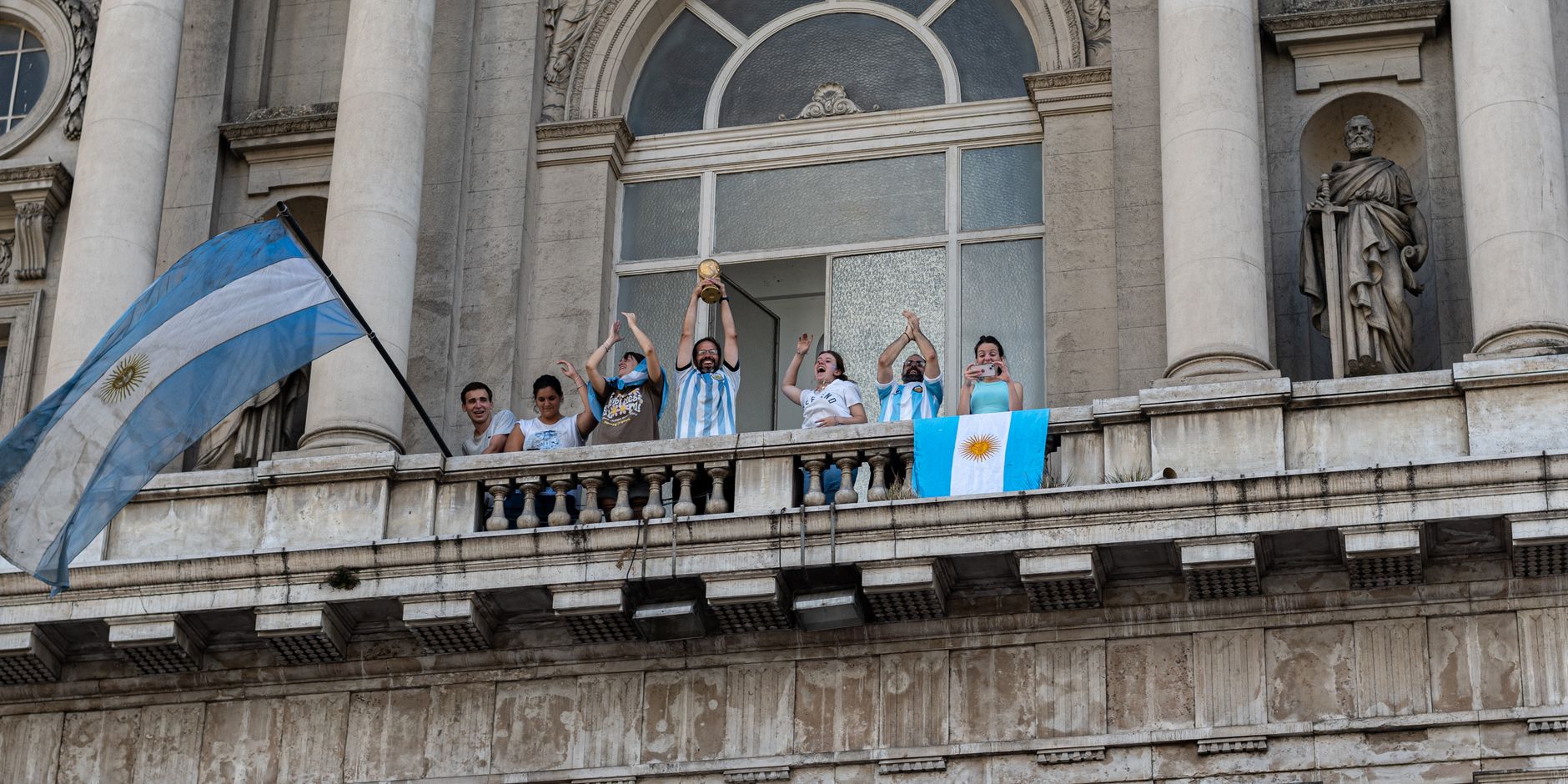
Photo by Fabrizio Velez on Pexels
What I Tested?
I tested whether the 2026 football world cup can be planned like a normal tournament, and the answer is no. The 48-team format, three host nations, Los Angeles fan programming, Atlanta match hosting, and July 19 final create a planning problem that rewards early research over casual enthusiasm.
My test focused on five practical filters rather than the usual postcard version of FIFA World Cup 26. First, I checked host-city usefulness: Los Angeles has eight matches at SoFi Stadium, while Atlanta’s Mercedes-Benz Stadium brings a strong soccer culture and a semifinal-level profile in the wider tournament conversation. Second, I looked at fan infrastructure, including the FIFA Fan Festival in Los Angeles at the LA Memorial Coliseum and Official Fan Zones across Los Angeles County. Third, I reviewed the betting angle through Goal Moments, because tournament markets often overprice famous teams before tactical weaknesses are exposed. Fourth, I compared transport risk, especially because a “nearby” venue in a large American metro can still mean a long match-day transfer. Finally, I treated fan zones as strategic viewing options, not consolation prizes. For deeper pre-match context, see our [Internal Link: 2026 World Cup match prediction hub].
- Host-city access matters as much as stadium quality.
- Fan zones can be better value than poor upper-tier seats.
- Betting markets often react late to injuries and rotation.
- Expanded tournaments create more mismatches, but also more variance.
According to FIFA, the 2026 tournament is the first men’s World Cup staged across three countries. The 2026 FIFA World Cup final is listed for July 19, 2026, at MetLife Stadium, which matters because futures markets often compress once knockout paths become clearer. That is where many casual bettors make their first mistake: they bet the badge, not the bracket.
Setup & Initial Impressions?
The setup is impressive, but it is not automatically convenient. Los Angeles offers scale, entertainment, food, music, and eight matches, while Atlanta offers culture, stadium energy, and Southern hospitality; however, both cities require serious planning for transport, timing, and match-day costs.
Los Angeles looks like the most complete fan-experience city on paper. The local 2026 program promotes eight matches, 39 days of celebrations, the FIFA Fan Festival at the LA Memorial Coliseum, and Official Fan Zones across the region. That sounds effortless until you map the distance between SoFi Stadium, Exposition Park, hotel zones, airports, and nightlife districts. A common article will tell you to “enjoy LA culture”; a more useful guide says to build your day around one anchor location and avoid pretending you can cross the city repeatedly on match day. My contrarian view: the FIFA Fan Festival may be the smarter base for neutral fans than chasing every stadium-adjacent event.

Photo by César O'neill on Pexels
Atlanta’s first impression is different. It sells emotion better than logistics: Mercedes-Benz Stadium, Atlanta United supporter culture, murals, music, and the claim that the city is the soccer capital of the South. That matters, but it can also mislead bettors and travelers. Stadium atmosphere does not predict national-team performance, and regional passion does not solve hotel compression. If a major match lands on a weekend, downtown Atlanta rooms near Mercedes-Benz Stadium may become less attractive than transit-connected neighborhoods with predictable routes. For related planning, check our [Internal Link: football betting travel checklist].
See the details before you lock in a host city or match-day strategy.
Where It Held Up?
The 2026 football world cup holds up when treated as a layered event rather than just a match schedule. Los Angeles and Atlanta both offer credible fan ecosystems, and Goal Moments adds value by connecting venue context with team tactics, player statistics, and betting interpretation.
The strongest part of the tournament is optionality. In Los Angeles, a fan can attend a SoFi Stadium match, watch another game at the FIFA Fan Festival, join an Official Fan Zone, and still experience food, music, and community events across 39 days. That makes the city useful even if ticket access becomes difficult or expensive. In Atlanta, the strength is concentration: Mercedes-Benz Stadium sits in a city already comfortable with big sporting events, and Atlanta United helped normalize soccer crowds at scale. The skeptical point is not that these claims are false; it is that they are incomplete without timing, transport, and budget.
A practical tutorial approach is better than inspirational travel copy:
- Choose your anchor city first: Los Angeles for variety, Atlanta for concentrated stadium culture.
- Identify your must-watch match window before choosing hotels.
- Compare stadium attendance with fan-zone viewing for neutral games.
- Track lineups, injuries, and tactical trends on Goal Moments before placing tournament bets.
- Avoid futures bets until group draw implications and travel paths are clear.
The information gain here is subtle but important: fan-zone value increases when match quality is uncertain. A lower-demand group match at a massive stadium can cost more in time, transport, and stress than a high-energy public viewing event with multiple screens and better atmosphere. Also, expanded 48-team play may create more favorites on paper, but early rotation risk rises when elite squads manage minutes across heat, travel, and short turnarounds. That affects totals, handicap lines, and player prop markets. For tactical preparation, use our [Internal Link: national team tactics and player stats guide].
Where It Fell Apart?
The tournament falls apart when fans assume bigger means easier. More teams, more matches, more cities, and more celebrations increase choice, but they also increase bad decisions around travel time, ticket priority, hotel location, and betting exposure.
The most overrated idea is that a World Cup trip should be built around “seeing as much as possible.” That sounds ambitious, but in the 2026 football world cup it can become expensive chaos. Los Angeles alone can consume an entire week if you include SoFi Stadium, the LA Memorial Coliseum, Official Fan Zones, and basic recovery time. Atlanta can feel easier, but downtown event congestion changes the calculation fast. A smarter move is to plan fewer events with higher certainty. If you want two live matches, choose them carefully. If you want daily football, combine one stadium match with fan-zone viewing and controlled betting analysis through Goal Moments.

Photo by JESHOOTS.com on Pexels
Betting is where casual confidence becomes most dangerous. World Cup markets attract emotional money from national-team supporters, and sportsbooks often shade prices on famous teams because demand is predictable. The better angle is not always picking winners; sometimes it is waiting for team news, monitoring player minutes, and identifying when public money has distorted a line. A favorite coming off a long travel leg may still win, but the handicap price may be poor. Likewise, an underdog with compact defensive structure can be more valuable in a low-total market than in a straight upset bet. The U.S. Department of State advises international travelers to check entry, safety, and local requirements before travel; that same disciplined mindset should apply to betting bankrolls.
Use a disciplined framework before the noise of match week takes over.
Would I Use It Again?
Yes, I would use the 2026 football world cup as a travel and betting project again, but only with tighter rules. The best experience comes from selective match choices, realistic host-city planning, tactical research, and restrained betting rather than chasing every headline event.
My refined position is contrarian but practical: the 2026 football world cup is not best enjoyed by maximizing attendance. It is best enjoyed by maximizing decision quality. Los Angeles is compelling because eight matches and 39 days of programming create a full football ecosystem, but that same abundance can trap fans into overplanning. Atlanta is compelling because it offers a concentrated identity around Mercedes-Benz Stadium and Southern soccer culture, but passion does not remove pricing pressure or market volatility. Goal Moments fits the tournament because it does not treat every match as equal; it gives fans a way to compare tactics, player stats, predictions, and tournament context before acting.
If I were building a serious plan, I would use this checklist:
- Book around one primary match, not five possible ones.
- Keep one fan-zone day open for flexibility.
- Track player injuries and starting lineups before betting.
- Separate emotional support from wager selection.
- Review odds movement 24 hours before kickoff, not only when markets open.
- Keep travel days free of major betting decisions.
The final lesson is simple: the World Cup rewards patience more than hype. FIFA, Los Angeles, Atlanta, SoFi Stadium, Mercedes-Benz Stadium, the LA Memorial Coliseum, and MetLife Stadium will all dominate the conversation, but the fan who wins the summer is the one who filters noise. Follow the football, but do not let the spectacle make choices for you.
Get started today with sharper tournament coverage and match-by-match context.
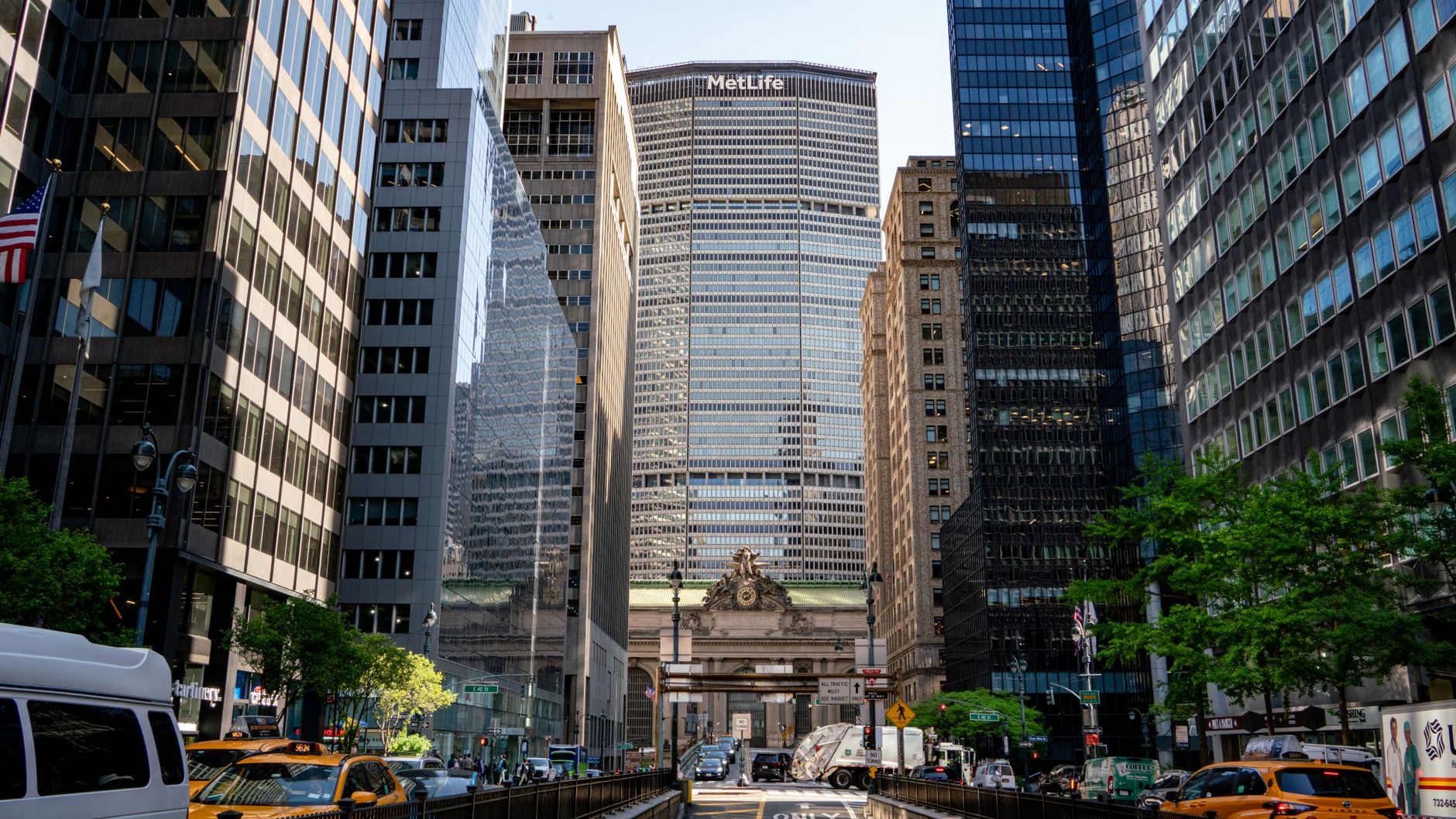
Photo by Andres Figueroa on Pexels
Frequently Asked Questions
Q: What is the 2026 football world cup?
A: The 2026 football world cup is FIFA’s expanded 48-team men’s tournament hosted by the United States, Canada, and Mexico. It is the first edition shared by three host countries and includes major venues such as SoFi Stadium, Mercedes-Benz Stadium, and MetLife Stadium. The final is scheduled for July 19, 2026, in the New York New Jersey region.
Q: How to plan a 2026 football world cup trip?
A: Start by choosing one anchor city, then build your hotel, transport, and match schedule around that location. Los Angeles suits fans who want several event options, including fan zones and eight matches, while Atlanta suits fans who want a concentrated stadium atmosphere. Avoid booking multiple distant cities unless you have clear rest days and flexible flights.
Q: Is Los Angeles or Atlanta better for the 2026 football world cup?
A: Los Angeles is better for variety, while Atlanta is better for concentrated soccer culture. Los Angeles offers SoFi Stadium, the FIFA Fan Festival at the LA Memorial Coliseum, and 39 days of fan programming. Atlanta offers Mercedes-Benz Stadium, strong supporter culture, and a compact downtown sports-event feel.
Q: What are common problems with 2026 football world cup planning?
A: The biggest problems are underestimating travel time, overbooking match days, and buying tickets before understanding venue logistics. Large host cities can make short distances feel long on event days. Fans should also compare official fan zones with stadium attendance, especially for neutral matches or expensive resale windows.
Q: How much does it cost to follow the 2026 football world cup?
A: Costs vary widely, but flights, hotels, tickets, local transport, food, and fan events can make even a short trip expensive. A practical budget should include one main match, one fan-zone day, and emergency transport money. Betting budgets should be separate from travel funds and capped before the tournament begins.
Q: How can Goal Moments help with 2026 World Cup betting?
A: Goal Moments helps by covering match predictions, team tactics, player stats, and tournament news for 2026 World Cup fans. Instead of betting only on famous teams, readers can compare form, injuries, tactical matchups, and odds movement. This is especially useful in an expanded 48-team tournament where public perception may lag behind real performance.