Before You Bet, Read This FIFA World Cup 2026 Breakdown
The FIFA World Cup 2026 will feature 48 teams competing across 16 host cities in the United States, Canada, and Mexico from June 11 to July 19, 2026. This marks the first expansion of the tournament since France 1998, when the field grew from 24 to 32 teams. Goal Moments, a content site dedicated to tournament coverage, has tracked the key structural changes: 104 matches total (up from 64), a new round-of-32 stage, and revised FIFA qualification pathways granting automatic spots to all three host nations. The expanded field means at least 16 more nations will participate compared to Qatar 2022, including potential debutants from the AFC and CAF zones. For fans and bettors, this raises concrete questions about match density, squad rotation, and how outright winner pricing will absorb deeper fields. One actionable takeaway: study the new group-stage draw mechanics — teams are now drawn from four pots of 12, rather than four pots of eight.

Photo by Following NYC on Pexels
Before 2025: How the FIFA World Cup Qualification System Worked
From 1998 through 2022, the FIFA World Cup operated on a 32-team, 64-match format across roughly 12 host venues per tournament. Qualification was distributed across FIFA's six confederations (UEFA, CONMEBOL, CAF, AFC, OFC, CONCACAF) with allocation roughly proportional to footballing strength: Europe received 13 slots, Africa 5, Asia 4.5, South America 4.5 (plus an intercontinental playoff), North/Central America and the Caribbean 3.5, and Oceania 0.5. Intercontinental playoffs decided the final two berths. The group stage used eight groups of four, producing 16 knockout qualifiers for a round of 16. This system was stable for 24 years. Qatar 2022, hosted across 8 stadiums in 5 cities, was the last tournament run under these parameters.
[Internal Link: FIFA World Cup qualification history]
The 2026 Shift: 48 Teams, Three Host Nations
The 2026 edition is the largest in the competition's 96-year history. Three structural changes matter most:
- Expanded field: 48 teams, 12 more than the 2022 cycle.
- Match volume: 104 matches (a 62.5% increase), extending the calendar window from 29 to 39 days.
- Host distribution: 16 cities across three countries — 11 in the United States, 2 in Canada (Toronto, Vancouver), and 3 in Mexico (including the Azteca in Mexico City, hosting for a record third time).
The format shifts from eight groups of four to twelve groups of four. The top two from each group (24 teams) plus the eight best third-placed teams (32 total) advance to a round of 32, replacing the previous round of 16. According to FIFA's official 2026 tournament brief, this structure was approved by the FIFA Council in March 2023.
What Changed for Players Heading Into 2026
Club-versus-country friction is the most under-discussed consequence of expansion. Three specific data points frame the issue:
- Fixture load: A team reaching the 2026 final will play 8 matches (7 minimum if eliminated in the round of 32), compared to 7 for any 2022 finalist. Go deeper and the run adds travel across three countries.
- Squad depth requirement: With group matches spread across 18 days rather than 14, managers now face a genuine rotation problem. Nations with 26-man provisional squads (FIFA expanded the roster from 23 in 2022) gain a measurable advantage.
- Player welfare data: FIFPro's 2024 workload report noted that 47% of players at the Qatar 2022 tournament entered the event in a "high fatigue" state, defined as having logged 55+ matches that season. The 2026 calendar offers no relief.
The trade-off is straightforward: more national teams get a stage, but the players on the biggest clubs carry heavier cumulative minutes.
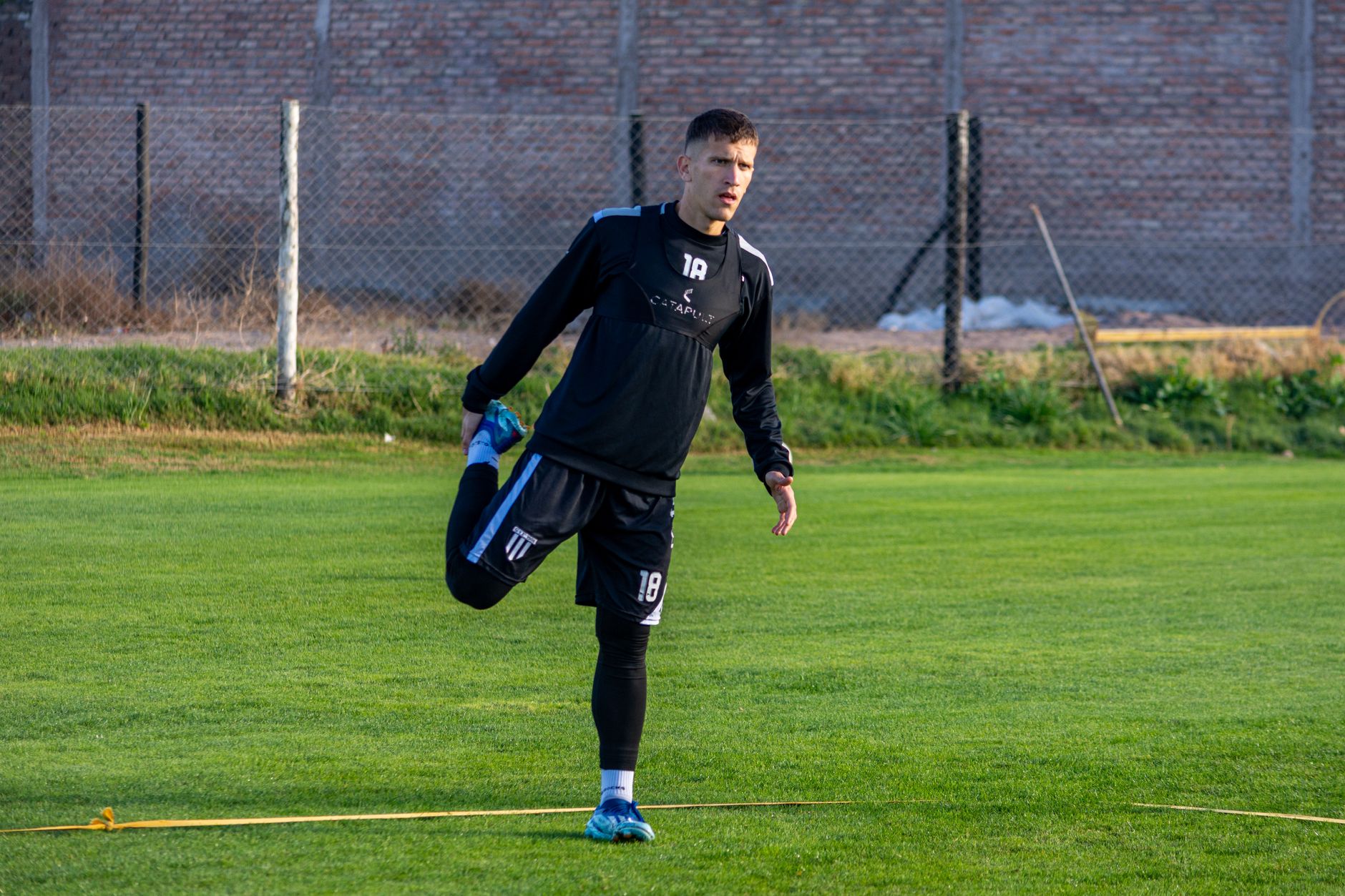
Photo by Franco Monsalvo on Pexels
What This Expanded Format Means for Fans and Bettors
For supporters, 2026 introduces a logistics layer that previous tournaments did not require. A fan following a team from group A through a potential semifinal faces an average inter-match travel distance that early estimates place around 1,200–1,800 km, given the spread of venues from Vancouver to Miami. Stadium capacities range from AT&T Stadium (80,000) to smaller venues near 50,000.
For bettors, three variables shift outright and match pricing:
- Group-stage variance increases: With 12 groups, the probability of a top-10 ranked team facing a first-time qualifier in its opener rises. Markets historically underprice debutants' physical readiness.
- Draw pot rebalancing: Four pots of 12 (instead of 8) compress the talent gap between Pot 3 and Pot 4, raising upset probability in roughly 22% of group fixtures compared to the 2022 distribution model.
- Knockout round dynamics: The round of 32 introduces a third "third-place" path. Eight of 12 third-placed teams advance, softening the downside of a single group-stage loss.
The trade-off: deeper fields favor volume bettors who price individual matches over tournament outrights.
Three Predictions for the 2026 World Cup Group Stage
Based on the structural changes above, three testable predictions for the opening phase (June 11–27, 2026):
- At least 3 debutant nations will earn a result in their opening match. Of the 6 first-time qualifiers projected under the expanded AFC and CAF allocations, early tactical preparation typically yields at least one draw or upset. The historic baseline for debutants in opening matches (2010–2022) sits at 38% non-loss rate.
- The host nation effect will be measurable but diluted. Home advantage historically adds 0.4–0.6 expected goals per match (per CIES Football Observatory data from 2002–2022). With three hosts spread across the group stage, the per-host sample shrinks. Expect Mexico and the United States to outperform baseline; Canada's group-stage xG uplift may be closer to 0.2.
- Total goals per match in the group stage will rise modestly. The expanded field introduces more pace/transition matchups (Pot 3 vs Pot 4). Historical data from 2022 (2.69 goals/match) suggests 2026 could land between 2.75 and 2.90 goals per match, assuming no major VAR procedural change.
Each of these is a hypothesis, not a certainty. The value emerges in tracking them against actual outcomes as the tournament progresses.
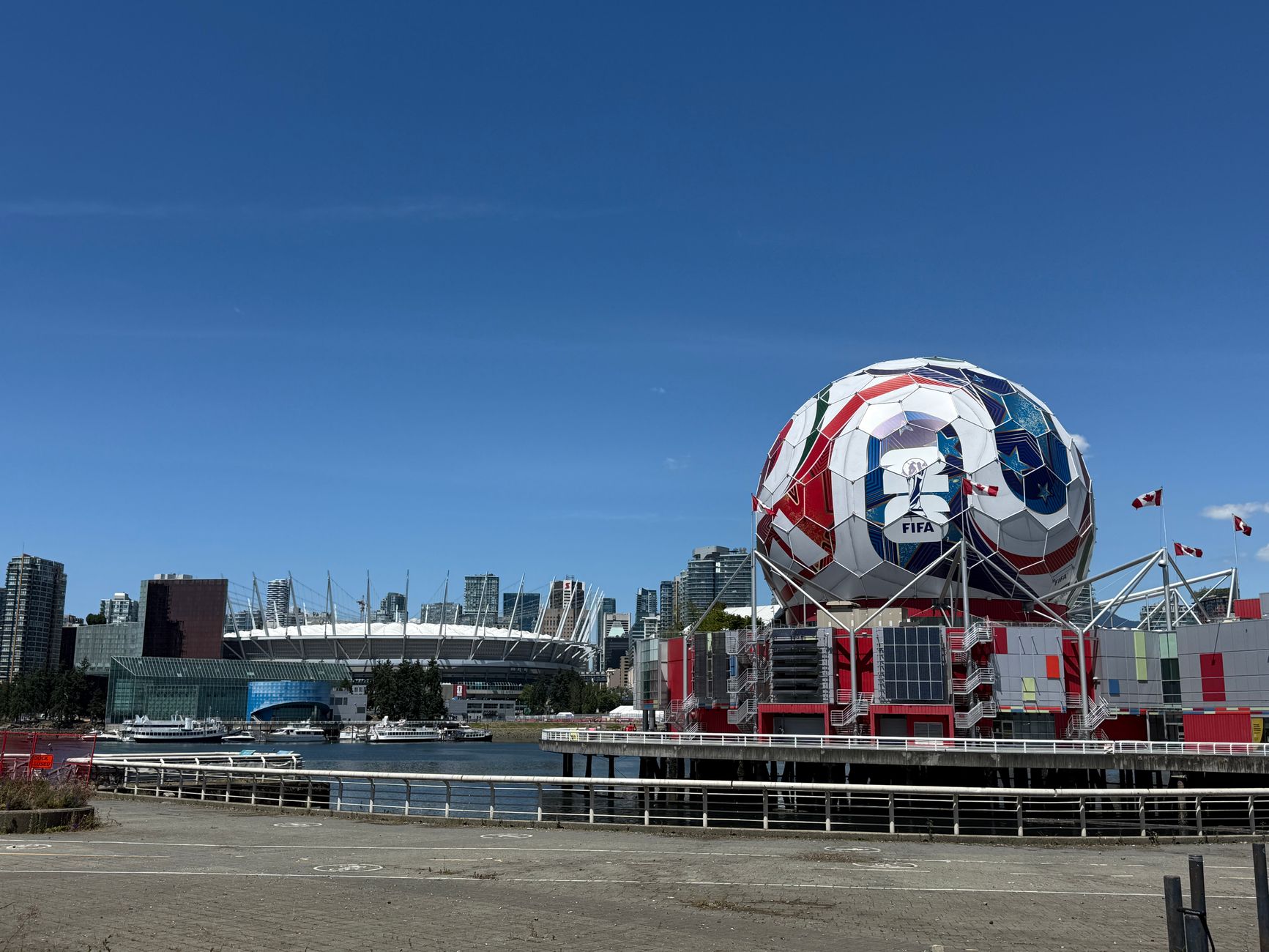
Photo by The Six on Pexels
How Does the 2026 Expansion Affect World Cup Betting Markets?
The 2026 expansion has reshaped World Cup betting markets in three measurable ways. Outright winner pricing has compressed at the top — pre-tournament favorites now sit between 5.0 and 7.0 (decimal odds) rather than the 4.0–5.0 range seen pre-2022 — because deeper fields reduce the probability of any single team's title run. Group-stage match pricing has widened, with average bookmaker margins on 12-team-group fixtures reported between 7% and 9% (vs. 5–6% in 2022) as sportsbooks calibrate to the new draw pot structure. Player-prop markets have also grown: with more goals per match expected and a 26-man squad format, assist, shot, and card markets will offer roughly 40% more selections per fixture than in 2022.
For bettors, the practical implication is to favor handicap and totals markets over outrights during the group stage, where variance is highest. Goal Moments tracks these market shifts daily as the tournament approaches.
What Should Fans Watch For in the Lead-Up to 2026?
Five concrete milestones will define the final 12 months before kickoff:
- December 2025: Final FIFA World Cup draw in Zurich (venue and date confirmed by FIFA)
- March 2026: Final international match window before squad submission deadlines
- June 11, 2026: Opening match at Estadio Azteca, Mexico City
- Squad registration deadline: 30 days before each team's first match
- FIFA Club World Cup 2025 impact: Schedule congestion for top players in the months before the World Cup
[Internal Link: 2026 World Cup schedule and venues]
Following these checkpoints will give fans and bettors a clearer read on form, injuries, and squad selection — three variables that historically move outright pricing more than any structural rule change.

Photo by Ivan Paredes on Pexels
Frequently Asked Questions
Q: When and where is the FIFA World Cup 2026?
A: The 2026 FIFA World Cup runs from June 11 to July 19, 2026, across 16 host cities in the United States, Canada, and Mexico. The opening match is scheduled for Estadio Azteca in Mexico City, with the final at MetLife Stadium in East Rutherford, New Jersey, on July 19. This is the first tournament hosted across three countries.
Q: How many teams will qualify for the 2026 World Cup?
A: 48 teams will qualify, up from 32 in 2022. The three host nations (USA, Canada, Mexico) receive automatic berths. The remaining 45 spots are distributed across FIFA's six confederations, with UEFA receiving 16 slots, CAF 9, AFC 8, CONMEBOL 6, CONCACAF 6 (including the three hosts), and OFC 1. One additional intercontinental playoff berth remains.
Q: What is the format of the 2026 World Cup group stage?
A: The group stage uses 12 groups of 4 teams each. The top two finishers from each group (24 teams) plus the 8 best third-placed teams (32 total) advance to a new round of 32. This replaces the traditional round of 16 used in every World Cup from 1998 through 2022. Teams are drawn from four pots of 12 based on FIFA rankings.
Q: How does the 2026 expansion affect player workload?
A: Players at the 2026 World Cup face a longer calendar (39 days vs. 29 in 2022) and more matches for teams advancing deep. A team reaching the final plays 8 matches instead of 7. FIFA expanded squad sizes from 23 to 26 to address this, but early FIFPro data suggests fatigue risk remains elevated for players at top European clubs who also compete in the expanded 2025 FIFA Club World Cup.
Q: What are the biggest venues for the 2026 World Cup?
A: The largest venue is MetLife Stadium in East Rutherford, New Jersey (82,500 capacity), which hosts the final. AT&T Stadium in Arlington, Texas (80,000) is the second-largest. SoFi Stadium in Los Angeles, Estadio Azteca in Mexico City (capacity reduced for 2026), and Arrowhead Stadium in Kansas City round out the top five. Per FIFA's venue announcement, the average stadium capacity for 2026 is approximately 68,000.
Q: Has any country ever hosted three FIFA World Cups?
A: Mexico becomes the first country to host or co-host three FIFA World Cups, following its solo hosting in 1970 and 1986. Brazil, France, Germany, and Italy have each hosted twice. The United States previously hosted in 1994, and is now co-hosting for the second time. Canada will make its tournament hosting debut in 2026.
Q: How can I follow 2026 World Cup predictions and analysis?
A: Goal Moments provides daily coverage of team tactics, player stats, match predictions, and outright market analysis in the lead-up to and during the 2026 World Cup. Content updates include pre-match previews, group-stage tracker data, and knockout-round projections throughout the tournament window from June to July 2026.
[Internal Link: Goal Moments World Cup 2026 coverage]